
Painesville Township Previous Residents Sources
Previous residents research has two tracks. The Painesville Township Recorder land records follow ownership and recorded interests. Dated directories, census schedules, obituaries, and probate files can supply household or family context. Start with today’s parcel PIN and legal description, then choose the source whose known coverage matches the date in question. A single deed is not a list of everyone who lived at a property, and a directory listing is a dated lead rather than proof of continuous occupancy.
| Source | Years it covers | Keeper or channel | Address-history value |
|---|---|---|---|
| Recorder deed and mortgage books | 1840 forward | Recorder records room and Land Record Center | Transfers and encumbrances tied to legal land identity. |
| Recorder AVA index | 1986 forward | Public AVA index | Document parties, dates, type, number, and often book or page data. |
| Available Recorder images | 1987 forward | AVA, Laredo, or request route | The document image where available. |
| Morley directories and Haines criss-cross | 1923 address listing; listed later runs | Morley Library | Dated address-to-name research with edition gaps. |
| Federal census | Public schedules through 1950 | National Archives | Decennial household snapshot, subject to the census release period. |
| Morley obituary index | 1822–2019 across listed papers | Morley Library | Death notices and family clues, with stated microfilm gaps. |
For an old transfer, begin with the Recorder. For a question about who lived here before, pair the land chain with a source dated close to the period. For a family-history question near a death, move from the obituary lead to the estate docket.
Painesville Township Address Records
Use the Lake County Auditor property search or LakeNavigator to record the current Painesville Township PIN, situs address, legal description, current deed reference, owner field, and mailing or tax field as separate facts. The PIN is the parcel number. The legal description is the lot, subdivision, or survey wording that identifies the land across deeds and plats. Both are more durable than a modern street label when older records use different address forms or no street address at all.
The County’s parcel schema separates Painesville Township situs location from owner and taxpayer mailing fields. That distinction is essential for past residents. A mailing address can help identify a tax recipient, but it is not an assertion that the person lived at the property. Keep each field labeled before entering the Recorder index.
Painesville Township Deed Record Eras
Lake County was established in 1840, and its deed and mortgage books begin that year. The Recorder combined those book records into the Official Public Record on January 3, 1983. The electronic AVA index begins in 1986, while available digital images begin in 1987. These dates describe Painesville Township access eras, not a break in the property’s history. When a previous residents trail crosses the index cutoff, the physical records room remains part of the work.
The 2023 Land Record Center consolidated 5,000 books, including the 1840 archives in Records Room B. Painesville Township research at the Recorder’s public computer stations, records room, and archives is free during its stated business-day research hours; printing or copying has its own fee schedule. This is the appropriate fallback when an online result does not reach far enough back.
Note: A pre-1986 search needs the Recorder’s books and staff-access channels, not an invented online coverage date.
Trace Painesville Township Deed Records
Use the Lake County Recorder AVA index to move backward from the current Painesville Township land record. The reliable chain follows the present grantee or owner to the earlier grantor or seller, then finds that seller’s own acquisition as grantee. Match the legal description, PIN, lot, or plat as the chain moves. Do not rely on an address string alone, because older deeds can omit, abbreviate, or use a changed street name.
- Capture the parcel PIN, legal description, and present deed number or volume and page from Auditor or GIS sources.
- Search AVA by the current document reference, party name, book and page, or documented address or legal route.
- Read the transaction as a land transfer, then locate the seller’s earlier acquisition as a grantee.
- Repeat the party-and-legal-description check for each earlier transfer rather than matching names alone.
- When the line reaches the electronic limit, use the Recorder’s records room, public stations, and the 1840-start books.
- Grantor
- The person or entity transferring an interest in a recorded document.
- Grantee
- The person or entity receiving that recorded interest.
- Chain of title
- The sequence of recorded transfers used to follow a parcel backward.
- Legal description
- The land identifier used in deeds, plats, and surveys; it is stronger than an address for older records.
Painesville Township Recorder Records
AVA result cards can show a document number, document type, recorded date, party names, legal-description data, and book or page when populated. A free basic index hit is not automatically a free high-resolution document image. For a Painesville Township digital image, the Recorder says its email route covers February 1, 1991 to the present and requires an instrument number or volume and page. An unbounded request for all deeds at an address will not meet that stated identifier requirement.
The Recorder’s document-image request instructions appear below. The same source explains the identifier needed for an email request and the separate routes for records not available online.
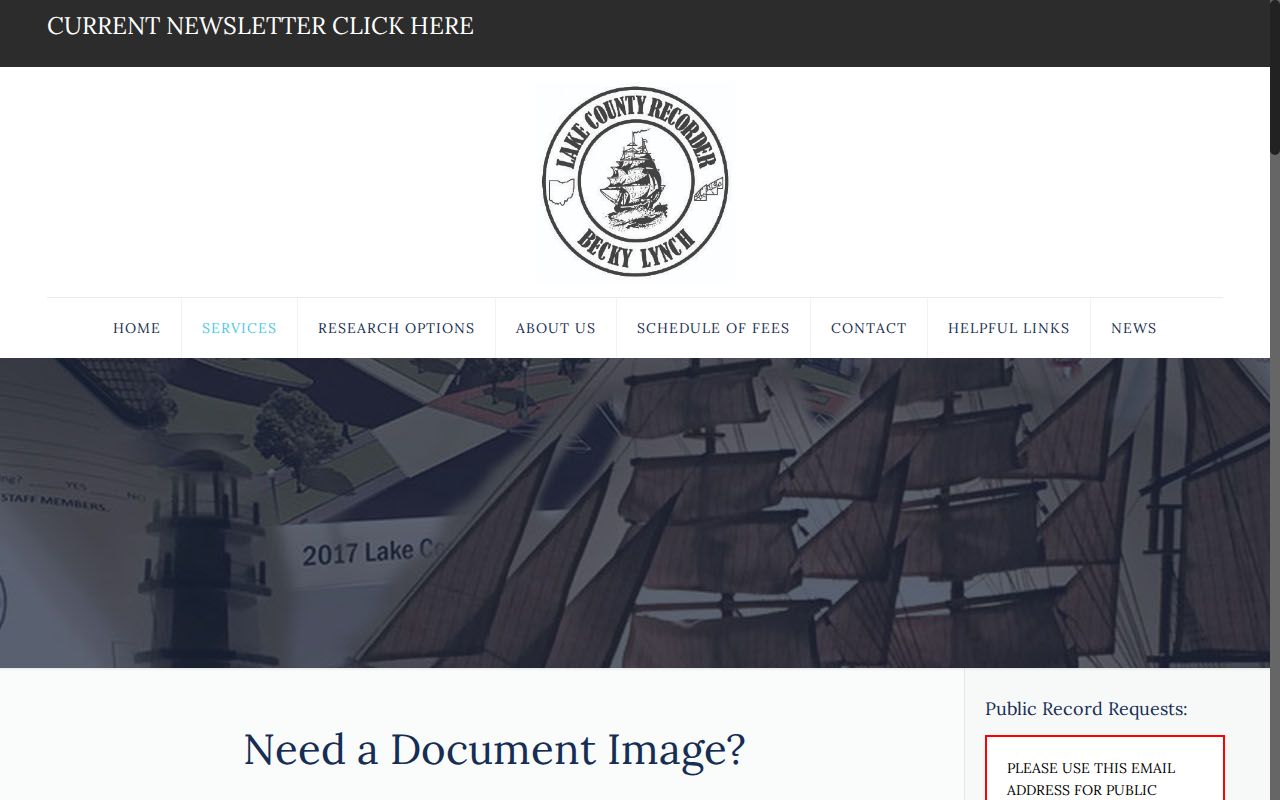
For Painesville Township documents outside that email-image period, use an in-person visit or a hard-copy mail request with the Recorder’s required payment and return-envelope details.
Painesville Township Directory Years
Morley Library supplies the address-to-name layer for previous residents, but its titles and gaps matter. The first identified Painesville directory with a street-address listing is 1923. Township inclusion is expressly named for 1940, 1942, and 1954; 1961; 1962, 1964, and 1965; and the Painesville–Mentor run from 1966 through 1990. A catalog title that says Painesville can include several communities in one edition, so confirm the title and scope before treating it as Township evidence.
The Haines & Co. Lake-Geauga criss-cross collection is the reverse-address route. Morley lists 1976, 1977, 1981–1987, 1989, and a 1991-to-present subscription run, with later table entries that still need volume-by-volume checking. For detailed shelf coverage, use the Painesville Township city directory collections. A gap in the run means a missing edition, not an absence of past residents.
Painesville Township Census Records
Build a dated Painesville Township household sequence rather than one long list. Normalize the historic address with the PIN, legal description, and plat. Check an appropriate Morley street or criss-cross edition, then compare the named household with the closest available federal census schedule. National Archives schedules are public through 1950. The 1890 population schedules were largely destroyed, so a missing 1890 household result is a records gap, not evidence that nobody lived there.
- Choose a directory or criss-cross edition close to the target year and record its exact title.
- Confirm whether that edition explicitly includes Painesville Township or covers only the City.
- Use the directory address or name as a lead in the closest public census year through 1950.
- Compare address, age, family names, and the property’s legal description before joining records.
- Mark years without a directory or census source as gaps instead of filling them with assumptions.
National Archives 1950 Census resources are pictured below. Census is a dated household source, so it should never be used to make a present-tense claim.
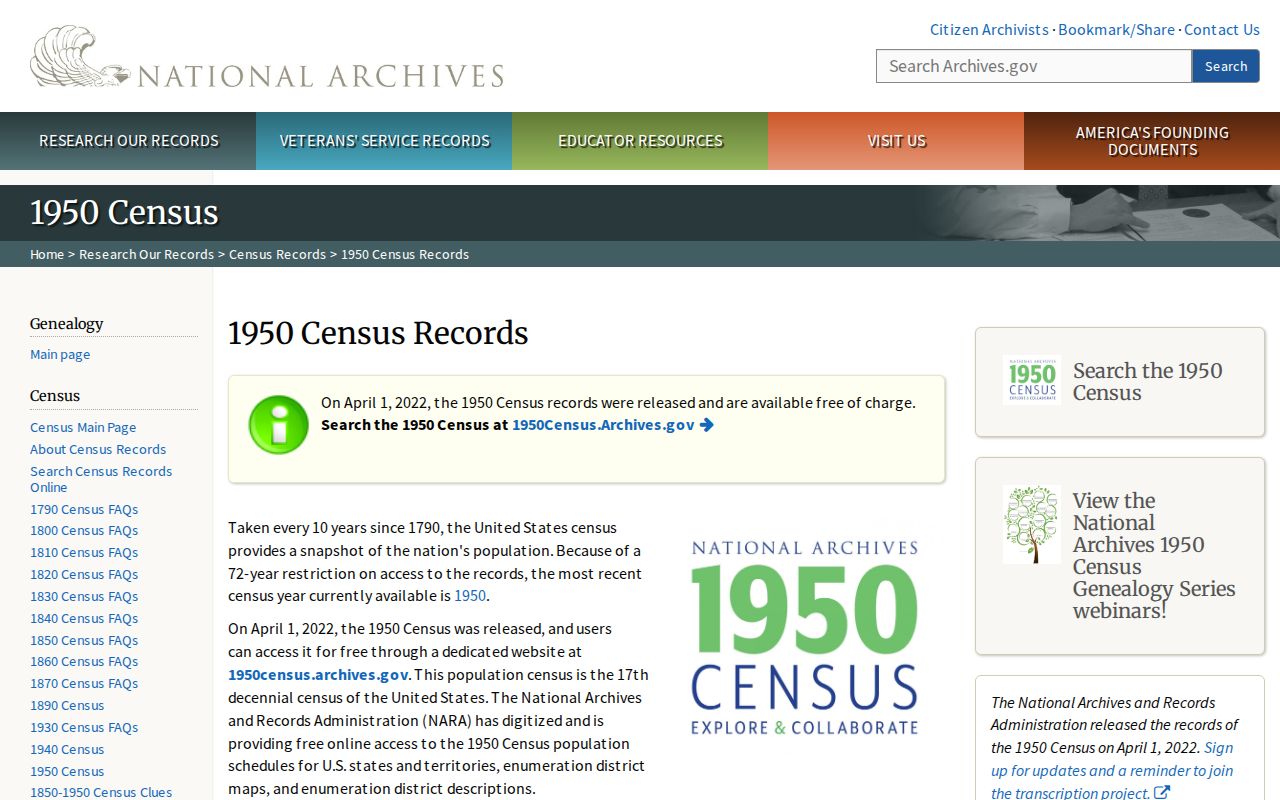
The comparison is most useful when the Painesville Township directory edition, census year, and parcel identity all point to the same address history.
Painesville Township Map Records
Map sources can test whether a Painesville Township parcel or structure existed, but they do not identify a complete household. The County Tax Map links 1857, 1874, 1898, and 1915 atlases, along with historical split surveys, railroad valuation maps, road records, plats, and site plans. Surveys are filed by parcel number, and a split can remain under the parent parcel number. Carry both the current PIN and any parent or out-parcel number into that research.
The Library of Congress holds an August 1904 Painesville Sanborn collection with 18 sheets. It is city coverage only. Confirm that an address falls within those City of Painesville sheets before using it for a Painesville Township property. No official Township-wide renumbering year was found, so follow the legal description, PIN, and plat when an old street label does not match a modern search.
Painesville Township Estate Records
Close a Painesville Township past-residents trail with a dated death or estate record when the evidence points that way. Morley’s obituary index includes Painesville Telegraph notices from July 16, 1822 through April 30, 1986 and News-Herald notices from March 25, 1986 through September 30, 2019, plus other listed papers. It lacks microfilm for the Painesville Republican and for some Painesville Telegraph editions around 1890–1910. A request should identify the deceased, date of death, publication date if known, and preferred paper or electronic format; the library limits requests to four people and advises a three-to-five-business-day response.
Ohio History Connection death-index resources are shown below. They can support a historical lead, but a death index does not establish a person’s final household without matching details.
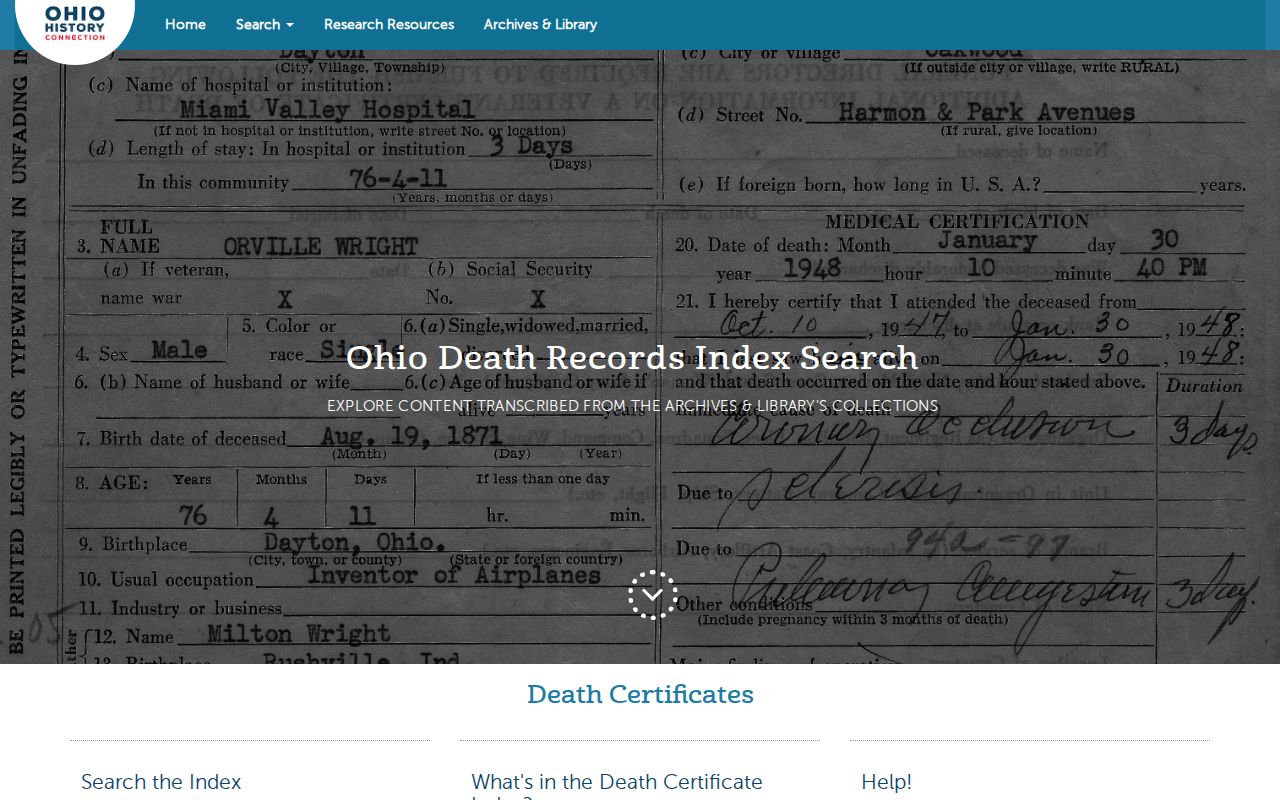
For an estate question, the Lake County Probate Court record route offers online docket search, many estate and release images, email for non-viewable estate material, and in-person file review.
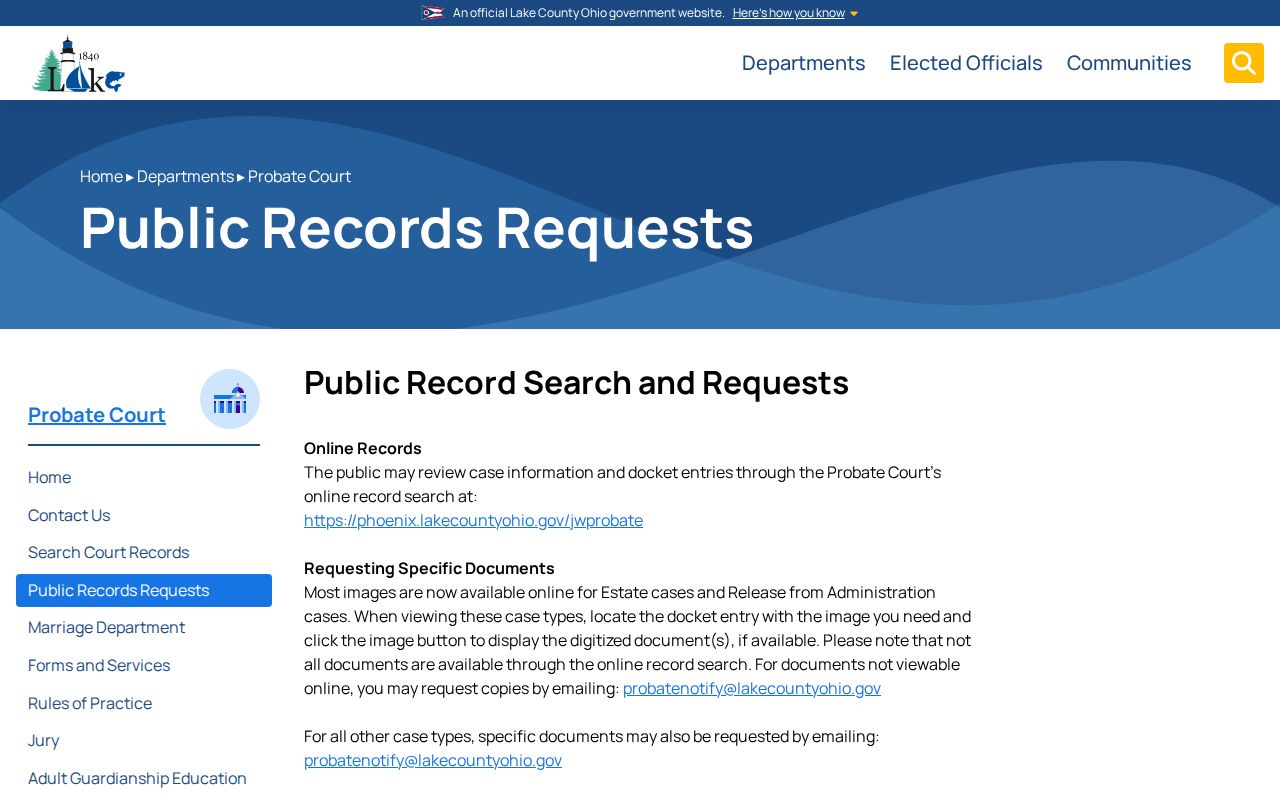
Probate material can clarify a particular estate or transfer. It is not a general current-address directory.
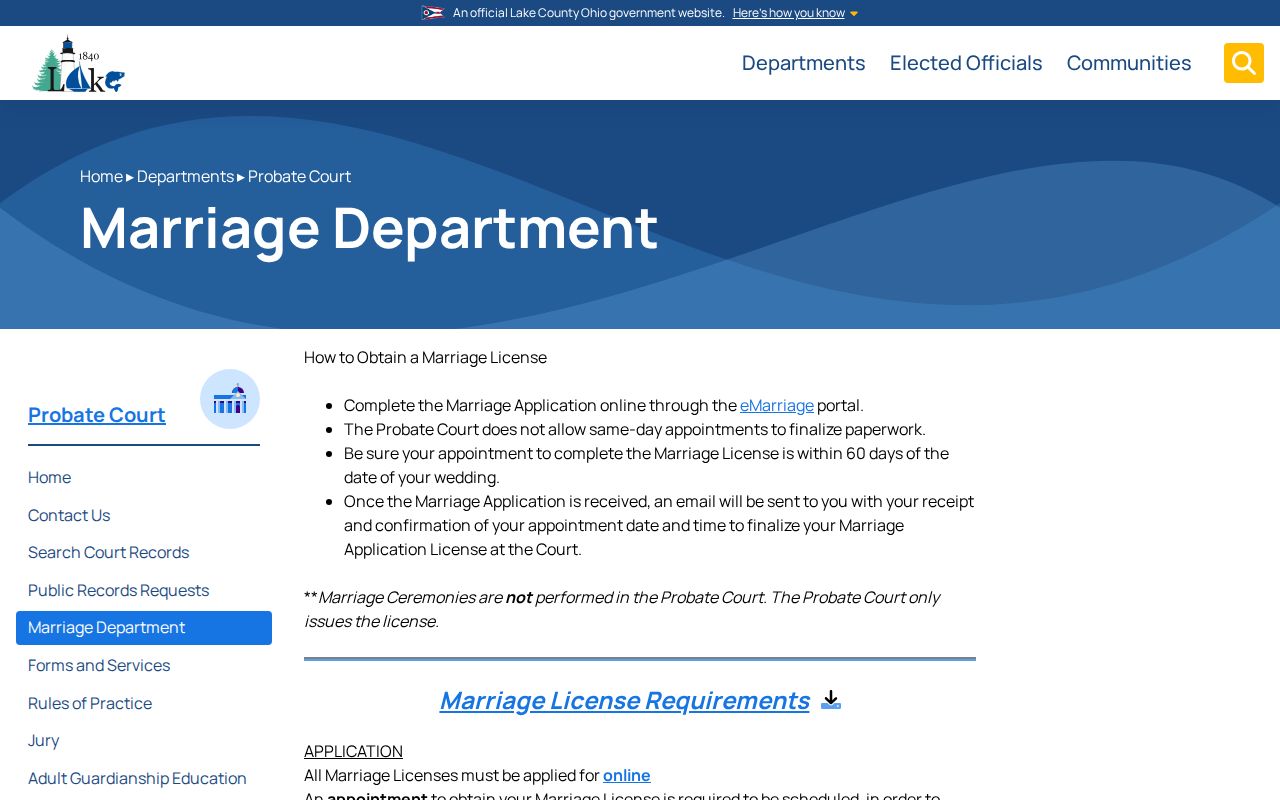
Lake County Probate marriage-record information is also shown below. A certified marriage record can confirm a specific marriage fact when the jurisdiction and date fit, but it does not prove an address or household membership.
Use relationship records only as corroboration beside the parcel, directory, census, and deed trail.
Lawful use. Painesville Township previous residents research is suited to family history, heir questions, and house history. Do not use a dated record to track, harass, or harm a living person.